
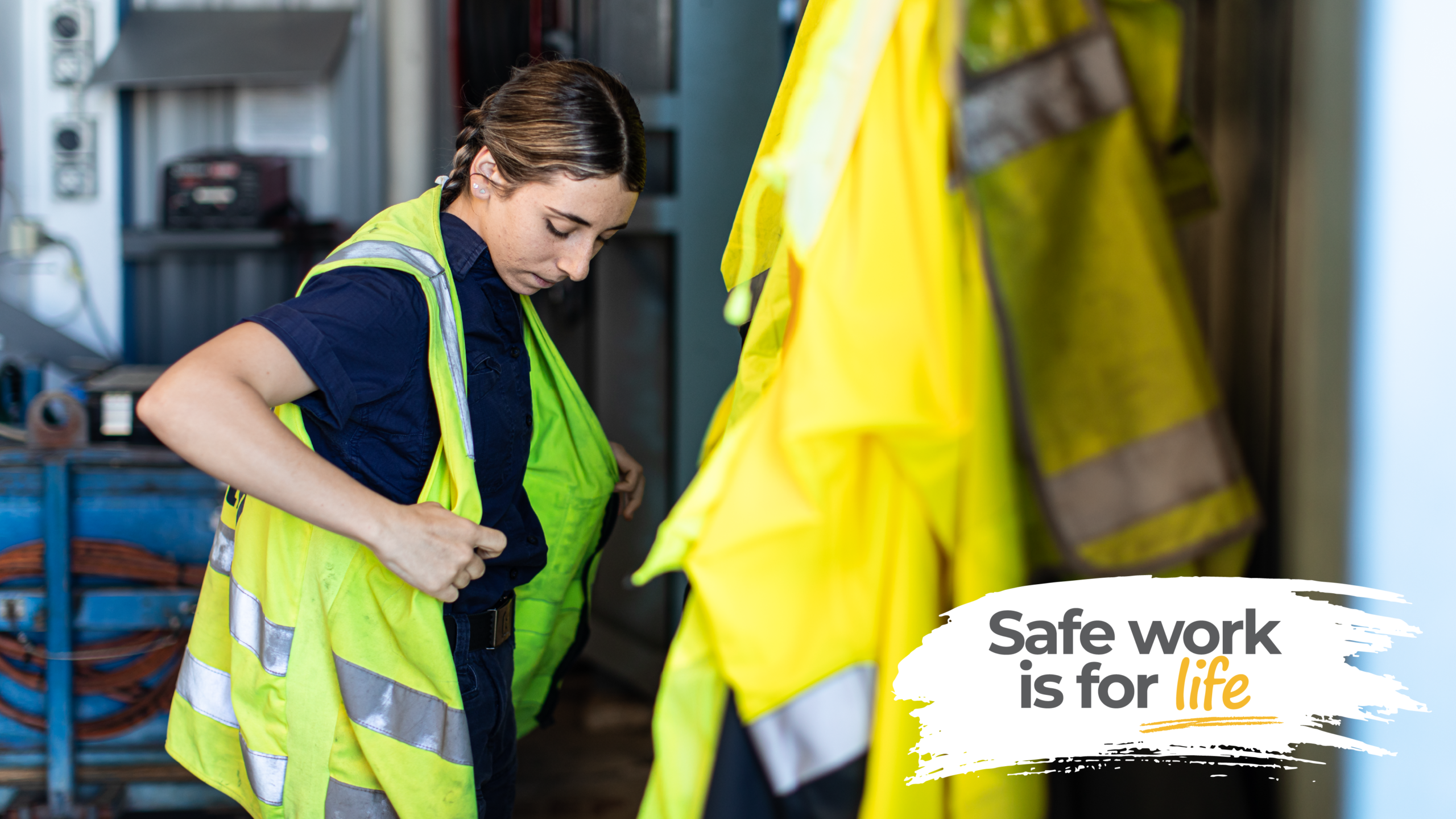
October is National Safe Work Month, and the theme for 2026 is Safe work is for life.
It is a phrase worth sitting with for a moment. Not safe work for the audit. Not safe work for the paperwork. Safe work for life. For the life of the person doing the job, and for the life they go home to when the shift ends.
Week one asks businesses to pause and reconnect with that idea before getting into the detail of policies and procedures. The question is not how we do work health and safety. It is why we do it.
From how to why
Most Australian businesses have a reasonable grip on the how. There are checklists, inductions, toolbox talks, incident forms and a folder somewhere with the safety plan in it. The systems exist.
The trouble is that systems can quietly become the point. When safety turns into a set of boxes to tick, people start doing the task rather than thinking about the reason behind it. The form gets signed because the form needs signing. The induction gets delivered because it is required. Nobody is being careless. The purpose has just faded into the background.
The Australian WHS Strategy sets a national vision of safe and healthy work for all, along with a goal of reducing worker fatalities, injuries and illnesses. Progress against that vision does not come from more paperwork. It comes from WHS being genuinely core to how a business operates, which means everyone understanding why it is there in the first place.
That shift changes behaviour in a way a procedure never quite does. A worker who understands why a guard stays on the machine will notice when it is missing. A worker who has only been told to keep it on will walk past.
What prevention really means
The other half of the week one message is about getting ahead of harm rather than responding to it.
Reacting to an incident is visible work. Something happens, an investigation follows, a control gets put in place and there is a clear before and after. Prevention is the opposite. When it works, nothing happens at all. There is no event to point to and no story to tell.
That invisibility is exactly why prevention gets deprioritised. It is hard to celebrate a near miss that never occurred or a back injury that was designed out three years ago. But those are the wins that matter most, because the alternative always costs more. It costs the business in downtime, claims, replacement staff and lost knowledge. It costs the worker far more than that.
Preventing harm before it occurs is not a slogan. It is a decision about where you put your attention. Before the job starts, before the new hire walks on site, before the busy season stretches everyone thin.
Starting the conversation
The goal for week one is deliberately small. Talk with your workers about why work health and safety matters in your workplace, then identify one opportunity to make their work safer or healthier.
That is it. One conversation and one opportunity.
If you are not sure how to open it, a few questions tend to get people talking:
- What part of your job feels riskier than it needs to be?
- Is there anything you have got used to that you probably should not have?
- What would you change if it were entirely up to you?
- Has anything nearly gone wrong lately that we never wrote down?
The last one is often the most useful. Near misses rarely get reported, but people remember them clearly, and they usually point straight at something worth fixing.
A word of warning on this. If someone raises something and nothing happens, you have taught your team that speaking up is a waste of breath. That lesson sticks and it is difficult to undo. Only start the conversation if you are prepared to act on part of what comes out of it.
Choosing the one change
You will probably end up with more than one opportunity. Pick the one you can actually finish.
Look for something that removes the hazard rather than asking people to be careful around it, something within your control this month and something your team will notice. A trip hazard that everyone steps over. A task that needs two people but usually gets done by one. A pre-start check that has quietly stopped happening. A workload that has crept up without anyone naming it.
Small and finished beats ambitious and abandoned. One completed change proves the conversation was real and that makes the next one easier.
Where we fit in
At Job Connect, safety is part of how we work rather than something bolted on at the end. We place people into Australian workplaces every week and we know that the businesses with the strongest safety culture are also the ones people want to work for and stay with.
We offer safety inspections and safety plans for businesses that want an outside set of eyes on the risks they may have stopped noticing, or a practical plan that reflects the work as it is actually done. If week one turns up more than you expected, that is a good sign you are paying attention and we are happy to help you work through it.
Safe work is for life. Start with one conversation this week and see where it takes you.
Get in touch today to find out more about Job Connect can support your business.